
Why Hip Pain After 40–50 Isn’t Just ‘Wear and Tear’


HIP PAIN AFTER 40 IS COMMON — BUT IT IS NOT INEVITABLE.
Many people are told that hip pain in their 40s or 50s is simply “wear and tear”, early arthritis, or age catching up with them.
While joint changes can exist, they are very rarely the true reason pain starts or keeps coming back.
At INPEAK, we consistently see hip pain that is driven by how load moves through the body — not by age itself.
WHERE HIP PAIN SHOWS UP IS RARELY WHERE IT STARTS
The hip is one of the body’s main load‑transfer joints. It sits between:
• The pelvis and legs below
• The trunk and spine above
When force moves cleanly through this system, the hip copes well for decades. When it doesn’t, the hip is forced to absorb stress it was never designed to take.
That is when pain develops.
FASCIA DETERMINES HOW LOAD ENTERS THE HIP
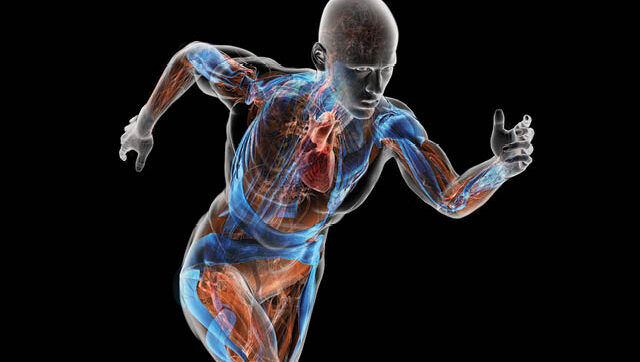
Fascia forms continuous lines that connect:
• Feet to pelvis
• Pelvis to spine
• Spine to shoulders
These fascial lines are responsible for distributing force evenly during walking, running, lifting and rotation.
When fascia is elastic, load is shared. When fascia becomes restricted, load concentrates.
The hip often becomes the victim.
HOW FASCIAL RESTRICTION CREATES HIP PAIN
When part of a fascial line loses elasticity:
• Movement becomes uneven
• One side of the pelvis rotates differently to the other
• The hip joint is loaded asymmetrically
This asymmetrical pull increases irritation at:
• The hip joint
• Surrounding muscles
• Tendons and ligaments
Pain develops — even though the joint itself may look “normal” on scans.
WHY AGE GETS BLAMED INCORRECTLY
Age is often blamed because:
• Symptoms appear later in life
• Imaging shows mild joint changes
• Pain develops gradually
But fascia adapts over time. Decades of compensation, old injuries and altered movement patterns eventually overload one area.
Age doesn’t cause hip pain. Accumulated load through a restricted system does.
OLD INJURIES OFTEN DRIVE HIP PAIN YEARS LATER
Previous problems such as:
• Ankle sprains
• Knee injuries
• Lower back pain
• Abdominal or pelvic surgery
Can stiffen fascial lines that feed directly into the hip.
The hip then compensates — even though it was never the original problem.
This is why hip pain often appears “out of the blue”.
WHY STRETCHING AND STRENGTHENING ONLY HELP TEMPORARILY
Stretching can reduce tension. Strength training can improve tolerance.
But if restricted fascia is not addressed:
• The same load patterns remain
• The pelvis continues to move asymmetrically
• The hip keeps absorbing excess stress
Symptoms settle — then return.
WHAT ACTUALLY STOPS HIP PAIN COMING BACK
Lasting change requires:
• Identifying restricted fascial lines
• Restoring elasticity through the pelvis and trunk
• Rebalancing left‑right load transfer
• Then rebuilding strength on top of that foundation
When force is distributed properly, the hip no longer needs to produce pain as a warning signal.
KEY MESSAGE
Hip pain after 40–50 is rarely “wear and tear”. It is usually a load‑transfer problem driven by restricted fascia.
Fix the fascia.
Restore balanced movement.
The hip settles naturally.
This is typically identified during a fascia‑led assessment, where load transfer, movement patterns and fascial restriction are assessed in detail.
Think this could help you? Message us to arrange a free assessment — no commitment needed.


Comments